Ceylon Cloves: The Aromatic Nail With a Global Past
Cloves take their name from the French clou, meaning nail. The Dutch once destroyed whole groves to control them — and Sri Lanka has grown them for centuries.
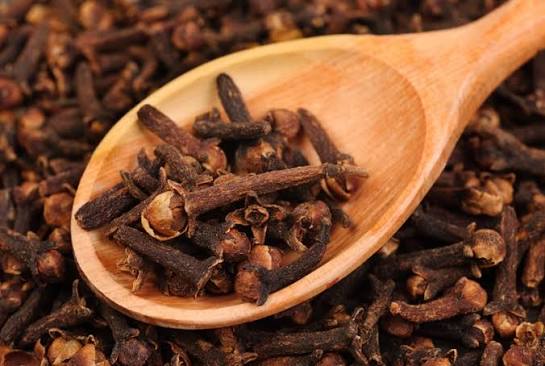
The name itself gives away the shape: cloves take their English name from the French word clou, meaning nail, a nod to their small, dark, nail-shaped form. Though cloves originally grew wild only in the Maluku Islands of present-day Indonesia, Sri Lanka has cultivated and traded Ceylon cloves for centuries, and the island's spice gardens remain an important source of this intensely fragrant bud today.
A Spice Worth Fighting Over
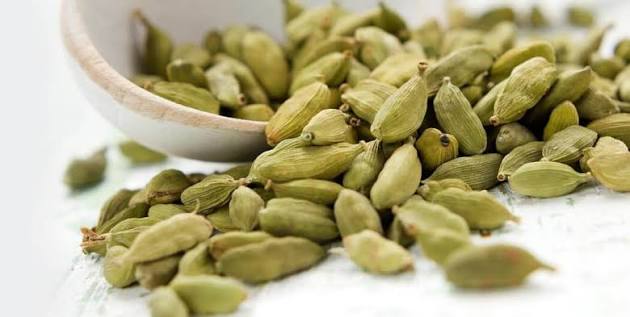
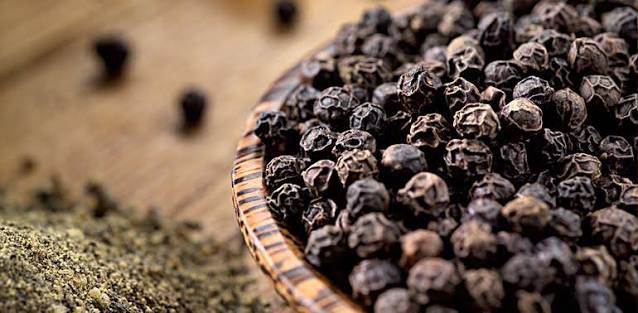
Cloves were once so valuable that European powers went to extraordinary lengths to control their supply. The Dutch East India Company famously tried to monopolise the global clove trade by destroying clove trees outside territories it directly controlled, an aggressive strategy that pushed cultivation to new regions, including Sri Lanka, as growers and traders sought to work around the monopoly. By the time British colonial planters expanded Sri Lanka's spice gardens in the nineteenth century, cloves had joined cinnamon, pepper, and cardamom as a core export, grown alongside them in the same fertile plantations across the island's southwestern districts.
From Ancient Medicine Cabinets to Modern Ones
Long before modern dentistry existed, cultures across Asia and the Middle East reached for cloves to numb toothaches, a remedy so effective that clove oil is still recognised today as a natural source of relief for dental pain. Sri Lankan households have carried this tradition forward, keeping whole cloves or clove oil on hand as a simple home remedy passed down through generations.
The Science Behind the Remedy
Cloves owe much of their power to eugenol, a naturally occurring compound that gives them their sharp, warming aroma and their long history as a natural analgesic. Eugenol has documented antimicrobial and antioxidant properties, which helps explain cloves' traditional use for oral health and its natural preservative qualities in food. Some research also points to potential anti-inflammatory benefits, and cloves rank among the most antioxidant-dense spices when measured gram for gram, well ahead of many fruits and vegetables typically praised for the same quality. As always, cloves are best enjoyed as a flavourful, health-supporting addition to meals rather than a substitute for medical care.
Using Ceylon Cloves at Home
A little clove goes a long way, thanks to its intense, concentrated aroma. Sri Lankan cooking uses it sparingly but purposefully, often as one note within a larger blend of spices rather than the star of the dish.
- ·Add two or three whole cloves to rice or curries for gentle background warmth
- ·Include in mulled drinks or spiced tea for a warming winter flavour
- ·Store whole rather than ground, since cloves lose potency quickly once powdered
From ancient nail-shaped currency to a staple in the modern spice rack, Ceylon cloves carry a history as intense as their aroma. Grown alongside Sri Lanka's other great spices, they remain a small but powerful reminder of the island's enduring place in the story of global trade.
About the Author
Subodha Kalharat is the Co-founder of Univerzlk.com, a digital innovation company based in Sri Lanka. He writes about Sri Lankan heritage, culture, and lifestyle topics for a global audience. Follow his work at univerzlk.com.