Ceylon Cardamom: The Queen of Sri Lanka's Hill Country
Traders nicknamed it "green gold". Grown in the misty hills around Kandy and Matale, cardamom remains one of the most expensive spices in the world by weight.
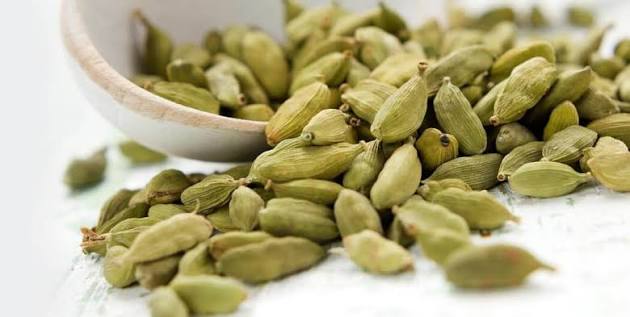
High in the misty hills surrounding Kandy and Matale, small green pods grow that traders once nicknamed "green gold": Ceylon cardamom. Often called the queen of spices, alongside black pepper's crown as king, cardamom has perfumed Sri Lankan kitchens, royal courts, and Arabian coffee pots for centuries, and remains one of the most expensive spices in the world by weight, second only to saffron and vanilla.
A Royal Spice With Ancient Roots
Cardamom's presence in Sri Lanka stretches back to the ancient Kandyan kingdom, where it flavoured royal feasts and was recorded among the tribute goods exchanged between local rulers and foreign traders. Arab merchants carried Sri Lankan and South Indian cardamom westward along the same maritime routes used for cinnamon and pepper, and it quickly became essential to Middle Eastern cuisine, most famously as the defining flavour in traditional Arabic coffee. Ayurvedic and Unani medicine, both practised in Sri Lanka for centuries, have long used cardamom pods to treat everything from digestive complaints to respiratory troubles, a tradition that predates modern science by well over a thousand years.
Grown in the Clouds
Unlike cinnamon and pepper, which thrive along the lower coastal belt, cardamom needs cool, misty, high-altitude conditions to flourish. Sri Lanka's central highlands, with their rich soil and consistent rainfall, provide exactly that environment, making the region around Kandy and Matale one of the country's most important cardamom-growing zones. The plant's pods are hand-picked before fully ripening and carefully dried to preserve their intense, eucalyptus-like aroma.
The Health Case for Cardamom
Cardamom's reputation as a digestive aid is well earned. Its essential oils have traditionally been used to relieve bloating, indigestion, and stomach cramps, and it remains a common after-meal remedy in Sri Lankan and South Asian households. Compounds in cardamom also carry meaningful antioxidant properties, and some studies suggest it may help support healthy blood pressure levels when included as part of a balanced diet. In Ayurvedic tradition, chewing cardamom pods is also a time-honoured way to freshen breath and support oral health, a habit that predates modern breath mints by thousands of years.
Cooking With Ceylon Cardamom
Cardamom's warm, slightly citrusy aroma makes it one of the most versatile spices in the Sri Lankan pantry, equally at home in savoury and sweet dishes.
- ·Crush pods lightly before adding to rice or curries to release their oils
- ·Steep in warm milk with a touch of honey for a calming evening drink
- ·Add whole pods to tea for a fragrant twist on the everyday cup
From royal courts to modern coffee cups, Ceylon cardamom has earned its crown many times over. Whether used to soothe a stomach ache or to lift the flavour of a Sunday curry, this small green pod carries an outsized piece of Sri Lanka's spice heritage.
About the Author
Subodha Kalharat is the Co-founder of Univerzlk.com, a digital innovation company based in Sri Lanka. He writes about Sri Lankan heritage, culture, and lifestyle topics for a global audience. Follow his work at univerzlk.com.