Ceylon Black Pepper: The Spice That Built Empires
Rent, dowries and taxes were once paid in peppercorns. Sri Lanka sat at the centre of the maritime routes that carried them west for over a thousand years.
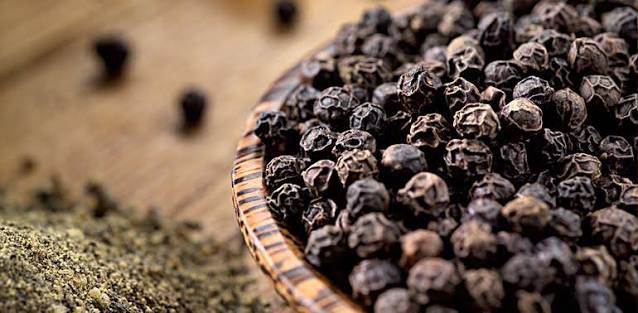
Long before Sri Lanka's rolling tea estates existed, black pepper vines climbed wild through the island's rainforests, and Ceylon black pepper grew into one of the most fiercely contested commodities in human history. Ancient Roman writers complained bitterly about the fortunes spent importing pepper from the East, yet demand never slowed, and Sri Lanka sat at the centre of the maritime routes that carried it westward for over a thousand years.
Currency, Conquest, and the Race for Pepper
In medieval Europe, black pepper was so valuable it functioned almost like currency. Rent, dowries, and taxes were sometimes paid in peppercorns, and the phrase "peppercorn rent" survives in English law today as a nod to that era. The relentless European demand for pepper, much of it moving through Sri Lankan and South Indian ports, is widely credited as a driving force behind the Age of Exploration. Portuguese, Dutch, and later British trading companies all fought for control of Ceylon's ports specifically to secure direct access to pepper and cinnamon, bypassing the Arab and Venetian middlemen who had dominated the trade for centuries.
From Ancient Ports to Global Kitchens
Arab and Chinese traders were calling at Sri Lankan harbours for pepper and other spices as early as the first centuries CE, well before European ships ever appeared on the horizon. Today, Sri Lanka remains a respected producer of high-quality black pepper, grown mainly in the wet, hilly districts of Kandy, Matale, and Kegalle, where the climate closely mirrors the conditions the vine has thrived in for centuries.
Health Benefits Beyond the Spice Rack
Black pepper's real power lies in piperine, the compound responsible for its sharp bite. Piperine has been studied for its ability to significantly increase the body's absorption of other nutrients and compounds, most notably curcumin from turmeric, which is why the two spices are so often paired in South Asian cooking. Piperine also carries antioxidant properties and has traditionally been used to support digestion, stimulating the production of digestive enzymes and easing bloating. Some research suggests black pepper may offer mild anti-inflammatory effects as well, adding to its long-standing reputation as more than just a flavour enhancer.
Using Ceylon Black Pepper Well
To get the most from Ceylon black pepper, freshness matters far more than most cooks realise. Pre-ground pepper loses its volatile oils, and with them much of its aroma and health value, within weeks of grinding.
- ·Grind whole peppercorns fresh, just before adding them to a dish
- ·Add pepper toward the end of cooking to preserve its aromatic oils
- ·Pair with turmeric-based dishes to boost curcumin absorption naturally
From ancient trade routes to modern spice racks, Ceylon black pepper has never really lost its throne. It remains one of Sri Lanka's most quietly powerful exports, prized as much for its punch of flavour as for the centuries of history packed into every peppercorn.
About the Author
Subodha Kalharat is the Co-founder of Univerzlk.com, a digital innovation company based in Sri Lanka. He writes about Sri Lankan heritage, culture, and lifestyle topics for a global audience. Follow his work at univerzlk.com.