The True Cinnamon: Sri Lanka's Ancient Spice That Shaped World History
Only the inner bark of Cinnamomum verum, grown along Sri Lanka's southwestern coast, earns the name "true cinnamon" — and empires were built and broken over it.
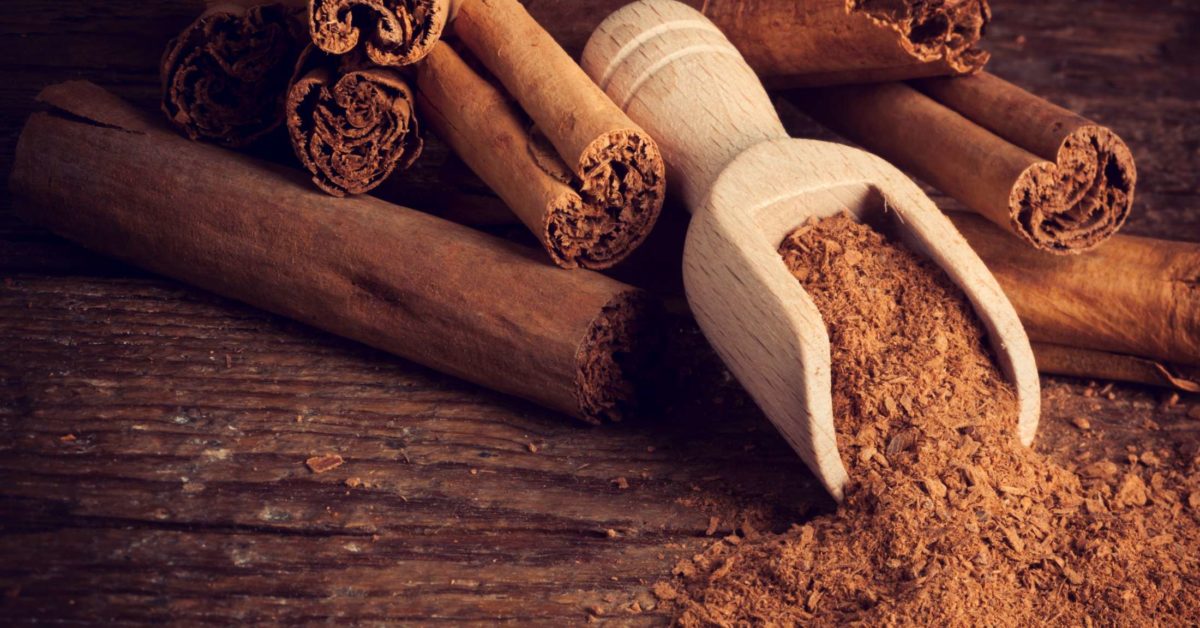
For over two thousand years, Ceylon cinnamon has carried a name few other spices can claim: the "true cinnamon." While supermarket shelves worldwide stock cheaper cassia bark and label it cinnamon, only the inner bark of Cinnamomum verum, grown almost exclusively along Sri Lanka's southwestern coastal belt, earns the real title. Its story begins long before Sri Lanka had that name, when Arab and Persian traders sailed to the island they called Serendib in search of a fragrant bark already prized in ancient Egypt for embalming and in Rome as a gift fit for emperors.
A Spice That Built and Broke Empires
For centuries, the traders who controlled cinnamon guarded its origin as one of history's best-kept trade secrets. Arab merchants spun tales of giant birds guarding cinnamon groves in distant lands, inflating prices and protecting their monopoly for generations. When Portuguese explorers finally traced the spice to Sri Lanka's coast in 1505, they seized the cinnamon-growing regions by force. The Dutch East India Company later wrestled control away in 1658, planting the island's first organised cinnamon estates and enforcing a strict monopoly that made Ceylon cinnamon one of the most valuable commodities in the world. When the British took over in 1815, cinnamon had already shaped three centuries of colonial conquest, all for a spice thin enough to curl by hand.
What Sets Ceylon Cinnamon Apart
Ceylon cinnamon is harvested and rolled by skilled peelers who shave paper-thin layers of inner bark and roll them into the tight, multi-layered quills recognisable worldwide. Compared to cassia, Ceylon cinnamon is lighter in colour, softer, and easier to grind, with a delicate, slightly sweet flavour rather than the sharp bite of its cheaper cousin. Crucially, it contains far lower levels of coumarin, a naturally occurring compound linked to liver concerns when consumed in large amounts from cassia over long periods.
Health Benefits Rooted in Tradition and Research
Sri Lankan households have used cinnamon in home remedies for generations, and modern research is beginning to explain why. Cinnamaldehyde, the compound responsible for cinnamon's aroma, carries notable antioxidant and anti-inflammatory properties. Several studies suggest Ceylon cinnamon may help support healthy blood sugar levels by improving insulin sensitivity, making it a popular addition to diets focused on metabolic health. It has also traditionally been used to ease digestive discomfort and support heart health, thanks to compounds that may help maintain healthy cholesterol levels. As with any spice used for wellness, Ceylon cinnamon works best as part of a balanced diet rather than a standalone cure.
Bringing Ceylon Cinnamon Into Everyday Cooking
Beyond its medicinal reputation, Ceylon cinnamon remains a kitchen staple across Sri Lanka, where it flavours everything from creamy rice curries and spiced meat dishes to the beloved cinnamon tea sipped after meals. Its subtle sweetness makes it equally at home in desserts, spiced coffee, and warm milk drinks.
- ·Add a quill to simmering curries for a gentle background warmth
- ·Steep in hot water with cloves and ginger for a soothing evening tea
- ·Grind fresh for baking, since pre-ground cinnamon loses its aroma quickly
From ancient trade secret to everyday pantry staple, Ceylon cinnamon's journey reflects Sri Lanka's own history as the heart of the world's spice trade. Whether used for its warmth in cooking or its gentle wellness benefits, true cinnamon remains one of the island's most treasured exports.
About the Author
Subodha Kalharat is the Co-founder of Univerzlk.com, a digital innovation company based in Sri Lanka. He writes about Sri Lankan heritage, culture, and lifestyle topics for a global audience. Follow his work at univerzlk.com.